Camp Stoves
3 comparisons across 2 brands, each with a one-line verdict up top.
Camp Stoves
Camp stoves are portable cooking devices used by backpackers, car campers, paddlers, and anyone who prepares food or hot drinks away from a kitchen. Shoppers in this category range from people heating water for a single trail meal to groups cooking full dinners at a campsite, and their needs often differ quite a bit.
When comparing stoves, the factors that usually matter most are weight and pack size, boil speed, fuel type and availability, stability of the cooking surface, wind performance, and how easily the unit lights and adjusts its flame. Shoppers planning trips in cold weather or at high elevation should also consider how a stove performs when temperatures drop, since some fuels lose output in the cold. Price tends to reflect build materials and features, but the cheapest option is not always the best fit for a given trip.
This site offers side-by-side comparisons of stoves from Jetboil and MSR, and both brands appear throughout the comparisons. Use them to check the details against your own plans, such as group size, typical conditions, and how much gear you can carry. Treat each comparison as a starting point, and confirm current details with the manufacturer before buying, since product lines change over time.
Top comparisons
Top match-ups
 Cross-brandMSR WindBurner Personal Windproof vs Jetboil Flash FLCB3MSR WindBurner Personal Windproof and Jetboil Flash FLCB3 are a tie: the Jetboil is lighter, the MSR has the longer warranty.

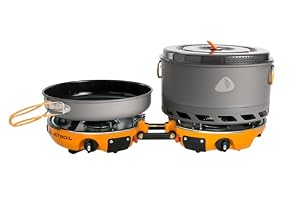 Same brandJetboil Flash Java FLXJVT3 vs Jetboil Genesis BasecampToo close to call: the Flash Java is far lighter, while the Genesis Basecamp has the much larger pot.

 Same brandMSR XGK-EX Multi-Fuel vs MSR WindBurner Duo WindproofTie: the XGK-EX is lighter at 0.84 pounds, while the WindBurner has the larger pot at 1.8 liters.